This blog is designed to create community for believers and provide support for seekers. I encourage all readers to share their faith in an effort to lift and encourage one another.
Lord, when I really contemplate these verses, wow! How many times have I broken your two greatest commandments? How often have I loved the things of the world more than I love you? And do I really love my neighbors as much as I love myself? Forgive me, Lord, for breaking your commandments. Give me strength and grace to follow your greatest commandments.
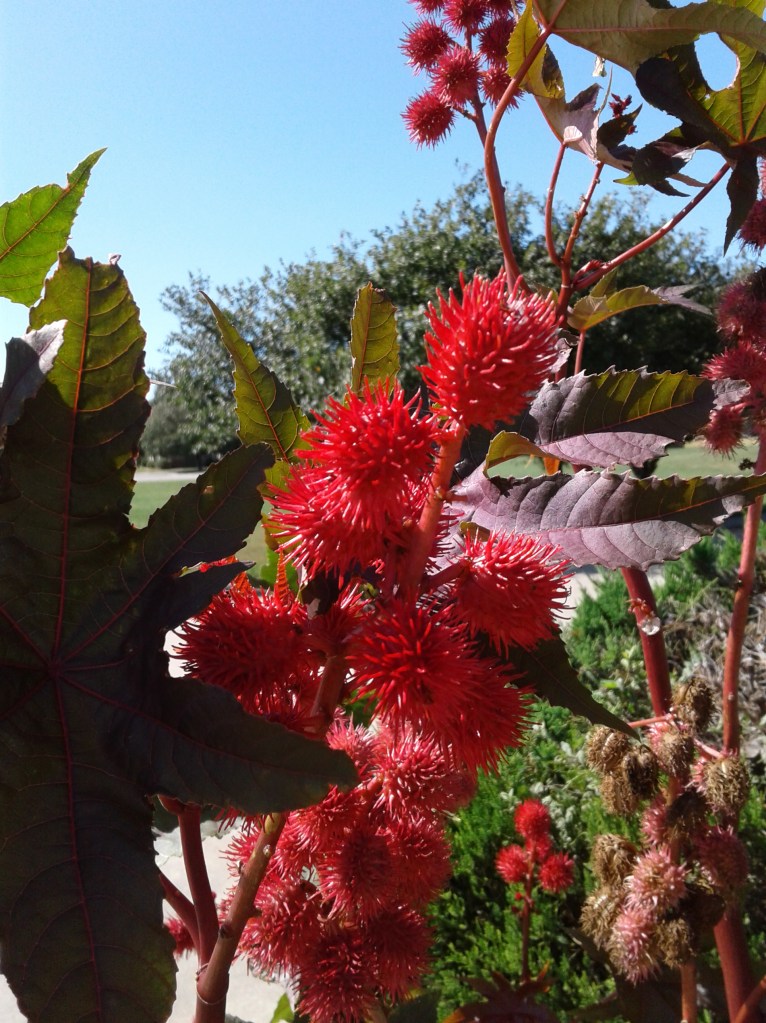
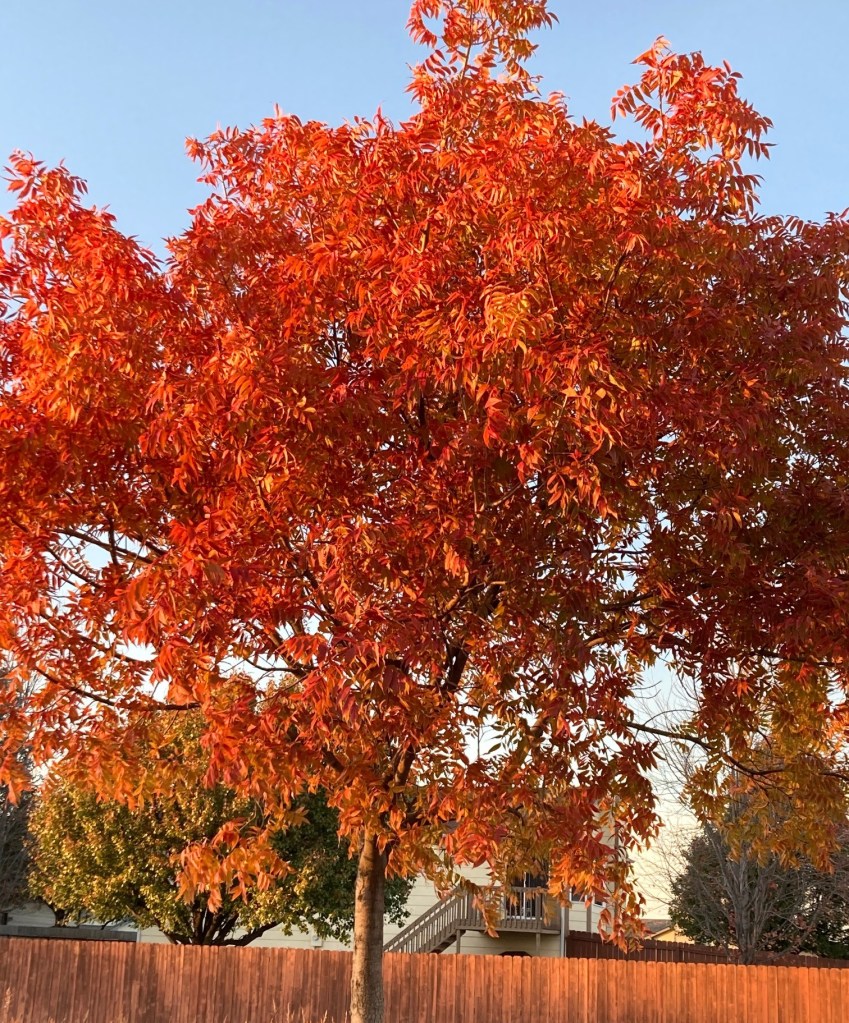
I love fall! Everything about it appeals: the crisp early mornings, the crunch of dead leaves beneath my feet. Who can resist pumpkin spice and hot apple cider? The cooler weather is invigorating and makes me want to go outside and be more active. I love the deep red and orange of autumn flowers and turning leaves. When the leaves fall, they coat the ground and insulate it against a long, cold winter.
As nature prepares for a difficult winter, I wonder. Now, when the world is beautiful and all is well, what am I doing to insulate my soul? How am I preparing for those cold, inevitably wintry days of my soul? What about you? How do you prepare your soul for times of difficulties?
“The teaching of the Sermon on the Mount is not–Do your duty, but–Do what is not your duty. It is not your duty to go the second mile, to turn the other cheek, but Jesus says if we are His disciples, we shall always do these things. There will be no spirit of–“Oh, well, I cannot do any more, I have been so misrepresented and misunderstood”. . . Never look for right in the other man, but never cease to be right yourself. We are always looking for justice; the teaching of the Sermon on the Mount is–Never look for justice, but never cease to live it.” ― Oswald Chambers, My Utmost for His Highest
Jeremiah 29:11 “‘For I know the plans I have for you,’ Declares the Lord, ‘plans to prosper you and not to harm you, plans to give you hope and a future.'”
Thank you, Father, for making plans that give us hope, that give us a future. Forgive us when we doubt your plans and your loving care of us.
“The key is praying according to God’s will. To know His will, we must know His thoughts. To know His thoughts, we must saturate our minds with His word. Then we will begin to experience the authority of God in our prayers.” — Charles Henley
Help us, Lord, to fill up to overflowing with your word. May we feast on it, learn your thoughts, and understand your will. May your name be praised.
One Sunday morning the members of my Sunday school class went prayer walking. Several small groups walked the nearby neighborhoods. Some stopped at each intersection to pray aloud together. My group walked silently, praying as we went.
As my two partners and I walked our route, for me the recurring thought was “so many souls.” I wondered: how happy are the people in these homes? Many, I’m sure are content. Many have a relationship with God and a church home. But how many souls are hurting, struggling to survive without God? How many suffer from shattered marriages? How many fill the spiritual void with drugs and alcohol? How many appear happy on the outside but are miserable on the inside? How many struggle with physical ailments or watch loved ones suffer with health problems? I wonder how many souls along our walk lack the saving grace of Jesus Christ. How many carry burdens that Jesus would gladly shoulder? How many desperately need the peace that only He can provide?
When we walked, we saw evidence of children living in this neighborhood: Swing sets, bicycles, and basketball goals. I wondered about the children. Are these children learning about our loving God? Do they know about His awesome power and amazing love? Are they growing up in homes with loving, Christian parents who teach them about Jesus and model Christian behavior?
While we walked, God opened my eyes and let me glimpse what He must see in the neighborhoods. He doesn’t see elegant homes, shiny cars, or stylish clothing, nor does He see broken shacks, rusted junkers, or raggedy clothes. He sees deep into our souls. He sees pain and disappointment. He sees spiritual hunger. He sees souls lost without Him.
We who know Christ have a responsibility to pray for those who do not. We may not know the conditions of their souls, but that should not prevent us from praying. There are so many souls in our neighborhoods who have not accepted the saving grace of our Lord—so many who need His peace and joy.
Thank you, God, for this glimpse into the souls who are lost and hurting. May they develop a thirst for You. Lord, there are so many souls; keep them on my heart and keep me praying for them—so many souls, Lord, so many souls.
Matthew 9:37-38 “Then he said to his disciples, ‘The harvest is plentiful but the workers are few. Ask the Lord of the harvest, therefore, to send out workers into his harvest field.’”
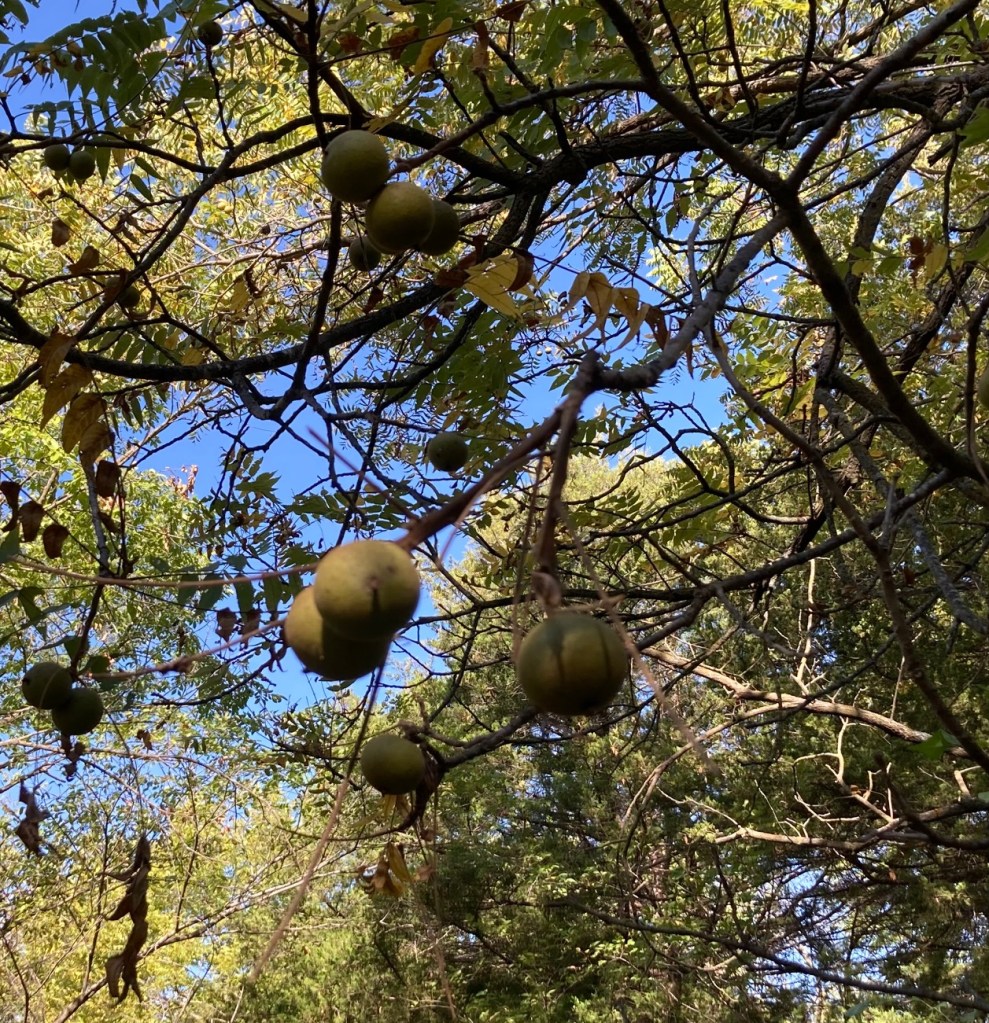
As I walked the dirt path through the woods, I heard a soft “plop”. About a foot in front of me, a walnut had dropped from a nearby tree. Just a few feet farther down the path, I saw dozens of walnuts littering the trail. I wondered how long it would be before the squirrels would come out of hiding and capture these nuts for their winter storage. I could picture them scurrying about, grabbing the nuts from the ground, and running along the tree branches, capturing more nuts before scampering to their homes to store their food. God has indeed provided the squirrels with a bounty of food for the winter.
For some reason, thinking about the squirrels gathering their winter food had me remembering times from years ago, when my now grown children were very young. Money was tight, and I stretched every dollar as far as it could go. I made my children’s clothes with fabric from the remnant piles, and I made all our meals from scratch. We often ate potato soup or pancakes and eggs for dinner in order to save money.
By the time we paid the rent, utilities, and health insurance, there wasn’t much left in the budget to stretch. One winter, it was especially bad. I had canned two bushels of peaches and frozen dozens of ears of corn, yet it seemed there wasn’t enough money left to feed my kids.
Fortunately, God provides for his children, just as he provides walnuts for the squirrels.
Just when I was having doubts about where the next week’s meals would come from, God sent two special gifts. First, my brother called. He and his wife had an opportunity to purchase half a beef, but they didn’t have a freezer to store it. If we would store the meat for them, they would pay their “locker rent” to us in beef. The next day, my husband came home with a dozen or more packages of meat. One of his co-workers, whose husband was a butcher, just happened to “clean out her freezer.” She gifted us with all that meat. We were doubly blessed.
Almost like the walnuts that dropped on the path, we had plenty of meat “dropped” in our path. Since we didn’t have to buy meat, we had enough money for the rest of the groceries. In spite of my worries, God provided ample food for our growing family. He sent us double blessings.
Precious Father, thank you for providing for my every need, even when I worry or doubt.
Matthew 6:26 “Look at the birds of the air; they do not sow or reap or store away in barns, and yet your heavenly Father feeds them. Are you not much more valuable than they?
Psalm 42: 1 & 2 “As the deer pants for streams of water, so my soul pants for you, my God. My soul thirsts for God, the living God. When can I go and meet with God?”







 Growing Our Faith Together